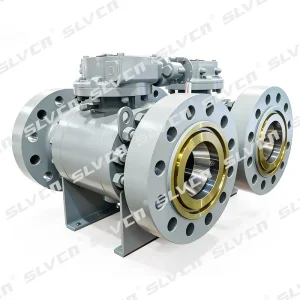
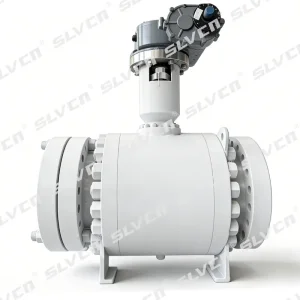
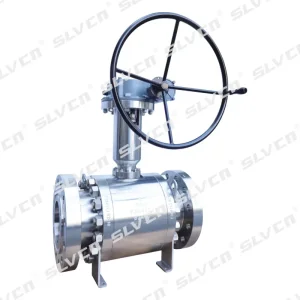
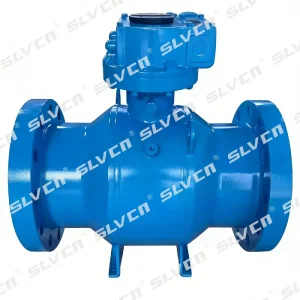
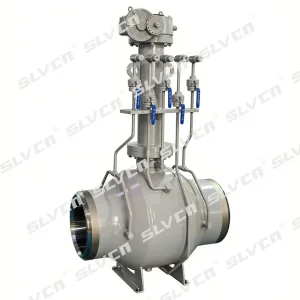
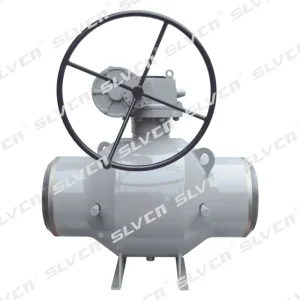
The global industrial valve market is undergoing a seismic shift driven by the transition toward Industry 4.0 and the pressing need for autonomous pipeline management. Motorized ball valves, serving as the critical control points in oil and gas, chemical processing, and water management, are no longer just mechanical shut-off devices. They are becoming intelligent nodes in IIoT (Industrial Internet of Things) networks.
Modern industrial procurement is moving beyond simple commodity buying. Today’s decision-makers prioritize Total Cost of Ownership (TCO), which includes energy efficiency, maintenance cycles, and the reliability of the actuator-valve interface. Suppliers who provide high-quality motorized solutions—combining robust metallurgy with precise electric/pneumatic automation—are capturing the majority of market share in projects across the Middle East, Europe, and North America.
China has solidified its position as the global powerhouse for valve manufacturing. This is not merely a result of labor costs; it is the culmination of decades of vertical integration. Top-tier Chinese factories now operate with advanced CNC machining, robotic welding, and stringent in-house NDT (Non-Destructive Testing) capabilities.
By leveraging China's advanced manufacturing ecosystem, global enterprises can source high-performance, motorized trunnion-mounted valves that rival Western counterparts in performance while providing superior cost efficiency.
Critical isolation for wellheads and separation units requiring high-pressure, fire-safe designs.
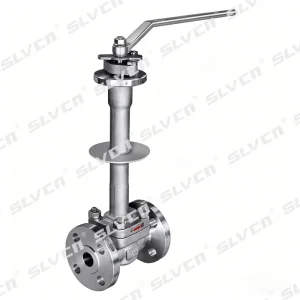
Specialized materials and extended stem designs for ultra-low temperature, leak-proof performance.
Emerging demand for high-integrity sealing to handle the unique diffusion properties of hydrogen gas.
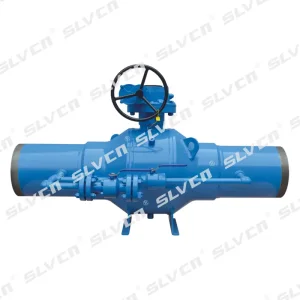
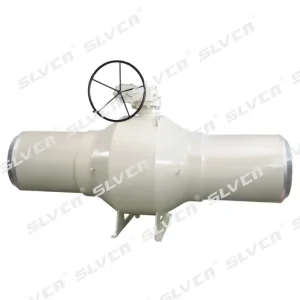
Large-diameter fully welded valves for municipal water transmission and automated flow regulation.
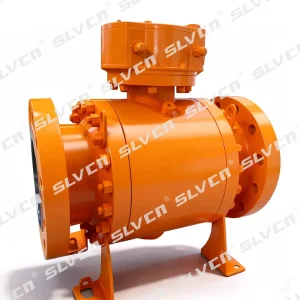
Key factors include the trunnion-mounted design for pressure distribution, the quality of soft/metal seats, the torque output of the motor/actuator, and the certifications held by the factory (API, ISO, SIL).
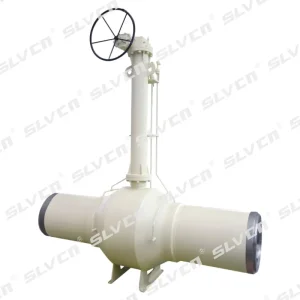
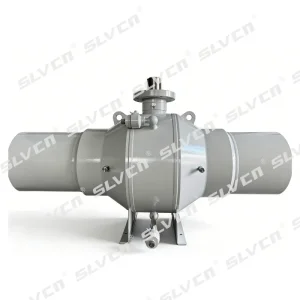
Opt for fully welded body constructions which eliminate potential leak paths at the flange. Ensure high-quality anti-corrosion coating and extended stem designs tailored for underground installation.
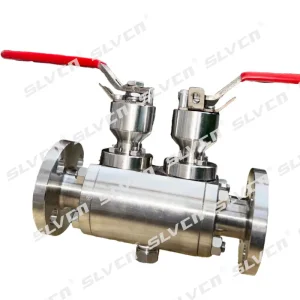
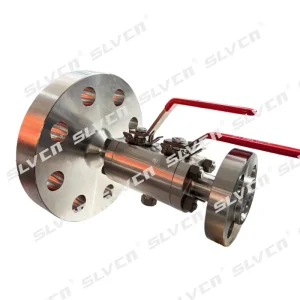
DBB valves provide two separate isolation barriers with a bleed port to vent trapped pressure. This is a non-negotiable safety feature for critical maintenance, allowing you to service equipment downstream without shutting down the entire pipeline.
 Shoulong Valve