 Shoulong Valve
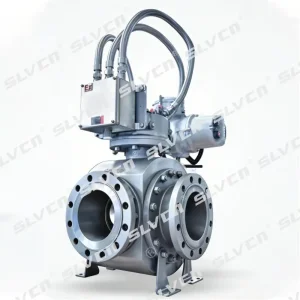
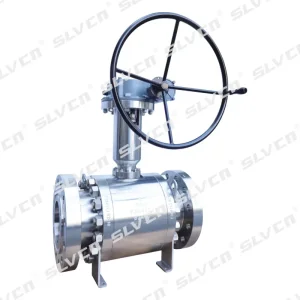
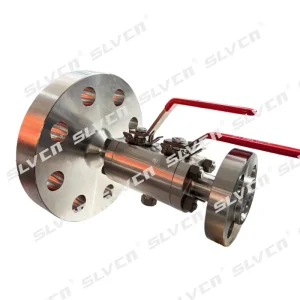
The Global Commercial & Industrial Landscape of Advanced Seal Valves
In modern industrial process engineering, fluid control isolation systems represent the critical boundary between safe baseline operations and catastrophic loss of containment. As global energy transitions accelerate, process pressures escalate, and environmental regulations like ISO 15848-1 Class AH and API 622 enforce zero-fugitive-emission thresholds, the demand for precision-engineered seal valves has shifted dramatically. China has evolved into the world's leading hub for advanced valve manufacturing, combining heavy forging infrastructure, high-velocity oxygen-fuel (HVOF) thermal spray technology, and automated CNC machining with rigorous international quality standards.
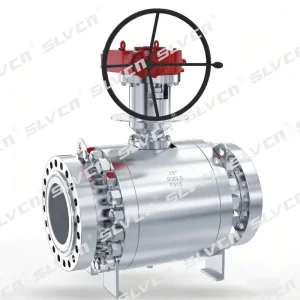
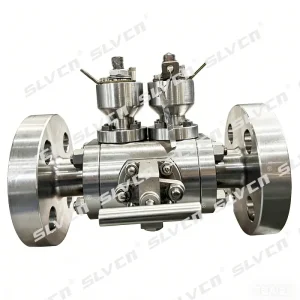
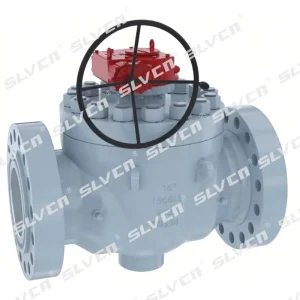
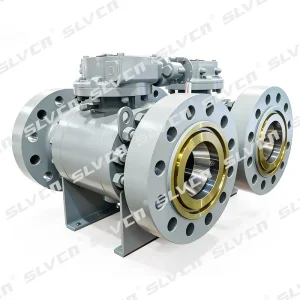
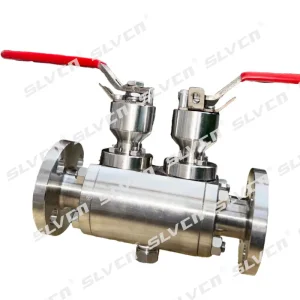
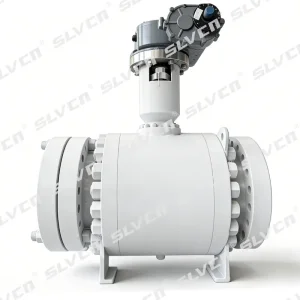
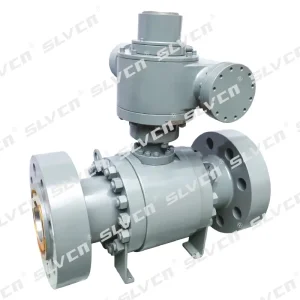
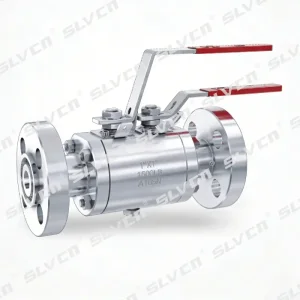
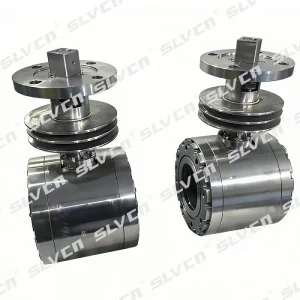
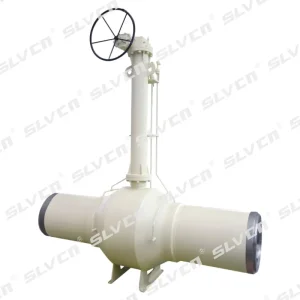
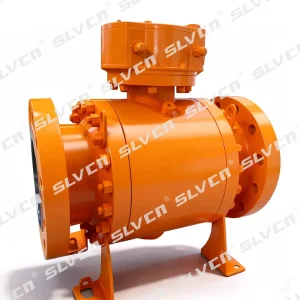
Industrial seal valves—spanning metal-seated trunnion ball valves, Double Block and Bleed (DBB) isolation systems, fully welded buried pipeline valves, and ultra-low-temperature cryogenic units—are designed to maintain sealing integrity under extreme thermal cycling (from -196°C in LNG storage up to +550°C in catalytic cracking units) and high hydraulic differentials exceeding Class 2500 (6000 PSI). Modern engineering procurement management requires a thorough understanding of metallurgical selection, sealing mechanism kinematics, seat lapping technology, and QA testing standards (API 598, EN 12266-1).
Key Takeaway for Procurement Engineers: Selecting a qualified China Seal Valve Manufacturer involves evaluating forge integrity (ASTM A105N, A350 LF2, F316, Duplex F51), seat coating micro-hardness (>68 HRC for HVOF Tungsten Carbide), and verification of dual sealing mechanisms (DBB vs. DIB-1/DIB-2 configurations).
Macro Market Dynamics & Supply Chain Evolution
The global industrial valve market is projected to cross $95 Billion by 2030, propelled by expanding LNG regasification infrastructure, green hydrogen transport pipelines, offshore floating production storage (FPSO) units, and supercritical power generation. Chinese valve manufacturers have migrated from low-cost standardized production to severe-service engineering. By integrating vertical supply chains—from raw material forging factories to in-house non-destructive testing (NDT), radiographic testing (RT), magnetic particle testing (MT), and cryogenic testing facilities—Chinese OEMs deliver custom engineering solutions at optimal lead times and total cost of ownership (TCO).